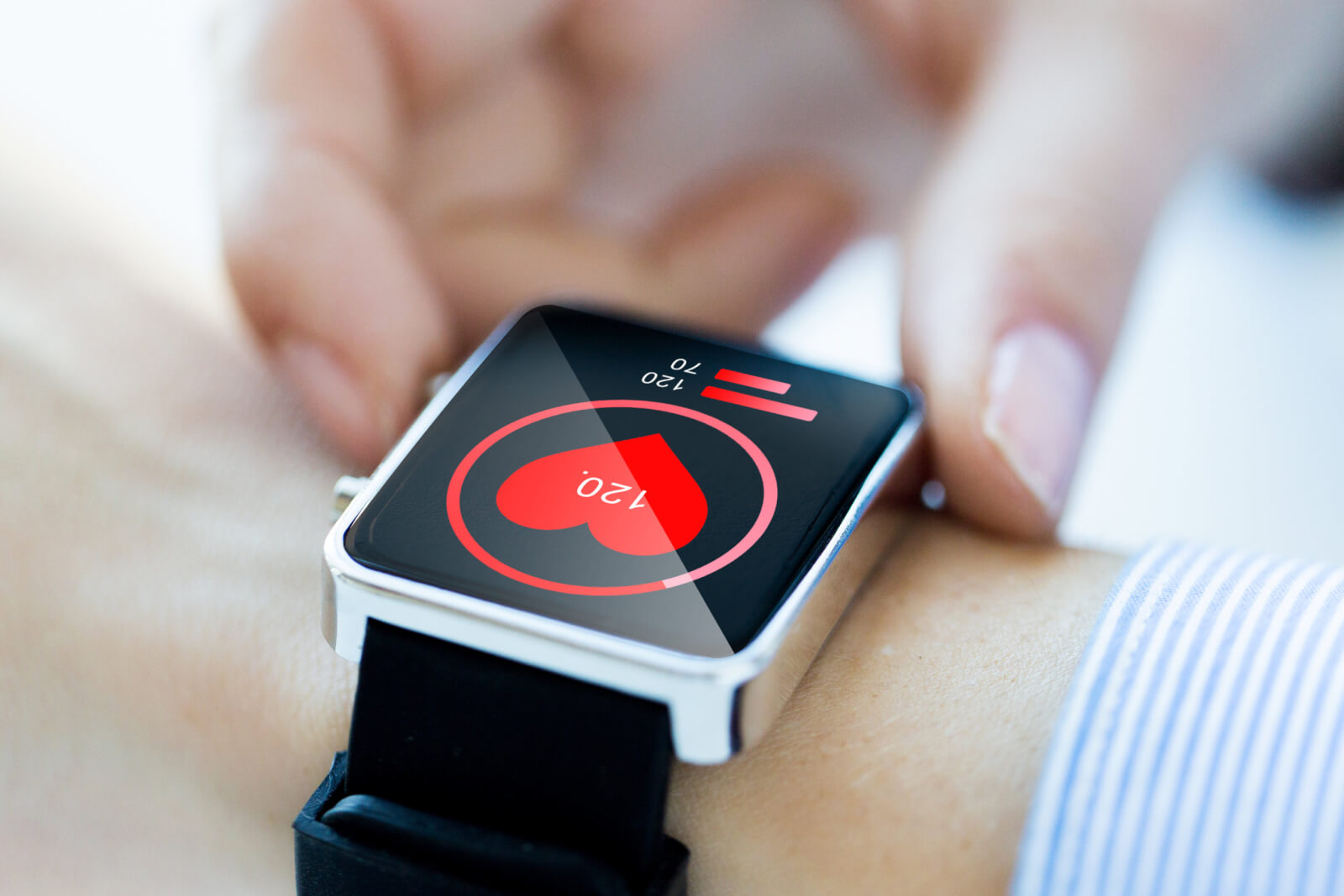
 As a result of the COVID-19 pandemic, it’s no surprise that the use of healthcare applications has skyrocketed over the past few years. In fact, there are now over 350,000 mobile healthcare applications on the market today, with around 200 new mHealth apps being built every single day. That’s a lot of apps!
So, what are the benefits of healthcare applications? Are they actually a better alternative than conventional medical care? We’re glad you asked! As a prominent healthcare app developer with a presence in major cities around the world including Los Angeles, San Diego as well as one of the leading app development companies in Chicago, we get questions like this quite often.
Throughout this article, we will be discussing three key benefits offered by healthcare applications as well as how these apps are being used to optimize the mHealth industry and make life easier for patients who suffer from common ailments or chronic illnesses.
Enhanced Patient-Doctor Communication
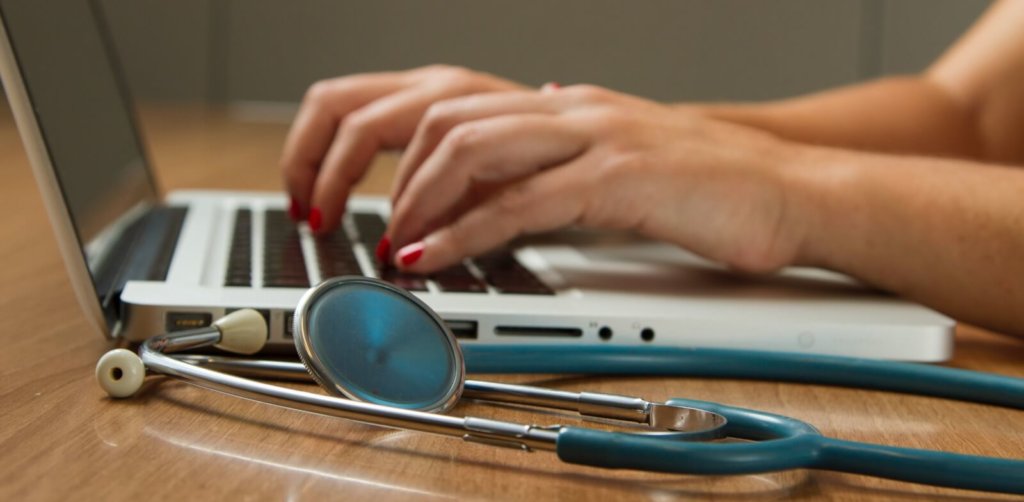 There’s no denying that communication within the healthcare industry is a far from perfect practice, and the communication between doctors and their patients is no exception to this. For instance, in order to provide efficient and effective medical care, doctors must fully understand their patient’s ailments. Unfortunately, due to the nature and time restraints of traditional in-person checkups, some doctors fail to completely understand the symptoms their patients are experiencing, which often leads to poor medical care.
So, how do we solve this healthcare predicament? Well, with the use of cutting-edge healthcare applications, doctors are able to maintain 24/7 contact with their patients through a multitude of tools and communication channels offered by these apps.
With regards to telemedicine applications, patients can now do anything from scheduling appointments with their doctors, to ordering prescriptions right from their mobile phone. As a result, these applications are essentially providing more effective and efficient medical care by keeping doctors seamlessly connected with their patients.
Not to mention that through these applications, doctors are now able to provide medical instructions through virtual checkups from anywhere in the world. In other words, healthcare applications are allowing doctors to monitor patients after operations, facilitate faster discharge, and even perform virtual follow-up to streamline recovery and improve the patient experience.
Reduced Healthcare Costs
 Did you know that the costs associated with chronic illnesses reach over $3.7 trillion each year? In addition, according to the National Health Council, roughly 133 million Americans are affected by ongoing chronic illnesses; that’s over 40% of the population. The costs associated with chronic illness produce a significant negative impact on the U.S. economy and our patients. In other words, preventable chronic illnesses wind up costing the U.S. people trillions of dollars each year.
Fortunately, healthcare applications are proving to be the ideal remedy to help offset these staggering costs. In fact, recent studies conducted over the impact of consumer-based healthcare apps on the healthcare industry have demonstrated that the use of these applications has the potential to save the U.S. healthcare system billions of dollars every year.
To provide an example, one healthcare application that is designed to save patients money is the Urgent Care App. From significantly reducing ER traffic as a means to provide more effective and efficient medical care, to routing some potential ER clients to more affordable Urgent Care facilities, this healthcare application is a prime example of how these apps can be used to cut down on medical expenses and optimize patient care.
Optimized Patient Data Collection
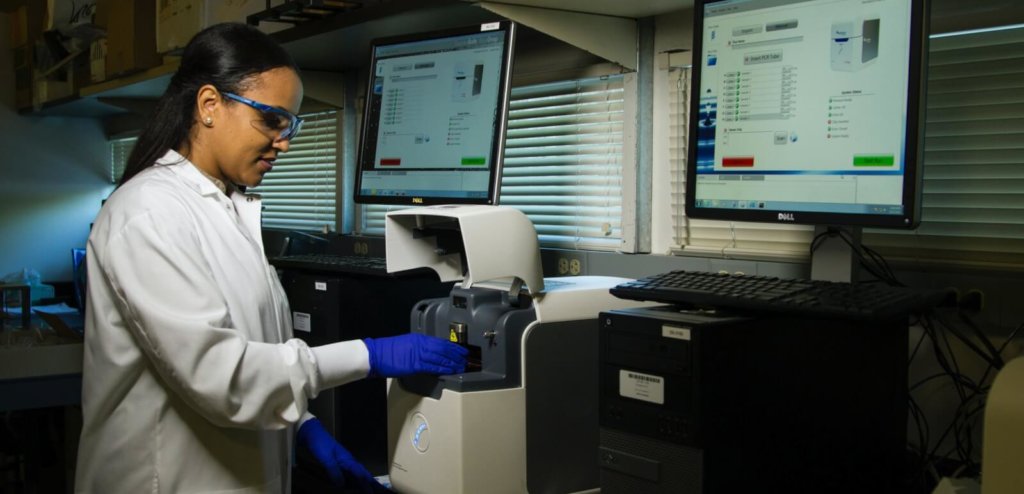 Last time at the doctor, do you remember the nurse asking you a series of questions and writing down your responses? Did it seem like they might’ve missed something, or wrote down the wrong thing? Unfortunately, it isn’t uncommon for patient health information to be recorded incorrectly or even misplaced, potentially leading to poor medical care. With healthcare applications, however, it’s now easier than ever for healthcare professionals to obtain, collect, and store patient health information.
In fact, many hospitals are now able to use these applications to access patient health information, medical history, prescriptions, and lab results remotely. For instance, symplr, a healthcare software company, has developed a clinical communications application that essentially provides doctors with access to patient health information all from a mobile device or workstation.
So, how do they work? Unlike conventional methods where doctors and nurses have to manually enter test results, many healthcare applications have the ability to import test results and auto-populate the corresponding paperwork. In addition, these apps can also provide prescription reminders, and they can even help doctors avoid excessive testing for patients, ultimately saving them time and money. In other words, healthcare applications are streamlining the health and wellness monitoring processes, and they’re making it easier for doctors to treat their patients in a more effective and efficient manner.