Key Takeaways
- The market is massive and accelerating: The global mental health apps market is projected to reach approximately $8.64 billion in 2026, growing at a CAGR of over 15%. With more than one billion people worldwide living with a mental health disorder and treatment gaps remaining stubbornly wide, the demand for accessible, app-based mental health solutions has never been higher—and neither has the opportunity for businesses willing to build the right product.
- Features must be clinically grounded and user-centered: The mental health apps that succeed in 2026 aren’t the ones with the flashiest interfaces—they’re the ones that combine evidence-based therapeutic frameworks like CBT and DBT with AI-powered personalization, real-time mood tracking, crisis detection protocols, and seamless telehealth integration. Building features without clinical validation is a fast path to user churn and regulatory risk.
- Compliance isn’t a checkbox—it’s the foundation: HIPAA, 42 CFR Part 2, FDA oversight for digital therapeutics, GDPR for international markets, and a growing patchwork of state-level consumer health data laws create a regulatory environment that demands compliance-first architecture. The proposed 2026 HIPAA Security Rule update alone introduces mandatory encryption, multi-factor authentication, and rigorous documentation requirements that will reshape how every mental health app handles protected health information.
The Mental Health Crisis Nobody Can Ignore—and the App Opportunity It Creates
If you’re a business leader exploring mobile app development in the mental health space, the numbers you need to understand aren’t just market projections—they’re human realities that define the scale of the problem your app needs to solve.
According to the World Health Organization, more than one billion people globally live with a mental health disorder. In the United States, recent federal data paints an equally stark picture: approximately 61.5 million adults experienced mental illness in 2024, according to NAMI, and one in five children ages three to seventeen have been diagnosed with a mental health condition, according to the CDC. And here’s the statistic that should stop every healthcare stakeholder in their tracks: SAMHSA data shows that nearly half of the 59.3 million adults with a mental illness in 2022 did not receive mental health treatment. In the UK, industry reports indicate approximately 1.6 million individuals were on waiting lists for psychological therapy.
The gap between who needs help and who gets it is enormous. And it’s precisely this gap that mental health apps are uniquely positioned to fill.
The global mental health apps market was valued at approximately $7.48 billion in 2025 and is projected to grow to $8.64 billion in 2026, with some estimates projecting the market will exceed $35 billion by 2034. North America dominates with roughly 47% of the global market share, driven by high digital health awareness, strong infrastructure, and a growing base of employers integrating digital mental wellness tools into their benefits packages. Approximately 52% of employers now provide digital mental health support as part of workplace wellness programs, and subscription penetration has crossed 40% among frequent users.
But here’s what the market projections don’t tell you: the vast majority of mental health apps fail. Not because the market isn’t there, but because the apps themselves aren’t built right. They lack clinical validation. They stumble on compliance. They treat user experience as an afterthought. They collect sensitive data without the security architecture to protect it.
In this blog, we’ll walk you through everything you need to know to avoid those pitfalls. We’ll cover the essential features that differentiate successful mental health apps from the thousands that languish in the app stores, the compliance requirements that can make or break your product, and the strategic decisions you need to make before you write a single line of code. Whether you’re building a consumer-facing wellness app, an enterprise behavioral health platform, or a clinical digital therapeutics tool, this guide will give you the strategic and technical foundation to get it right.
Understanding the Mental Health App Landscape: Categories That Matter
Before diving into features and compliance, it’s worth understanding the distinct categories within the mental health app ecosystem—because the category your app falls into will fundamentally shape your feature requirements, regulatory obligations, and go-to-market strategy.
Wellness and Self-Care Apps
These are the broadest category—apps focused on general mental wellness through meditation, mindfulness exercises, breathing techniques, and sleep support. Think Calm and Headspace. They typically don’t make therapeutic claims, which keeps them outside the FDA’s regulatory purview, but they still handle sensitive user data that demands robust privacy protections. The stress management segment alone is projected to be one of the fastest-growing categories, driven by work-life imbalance, chronic health conditions, and an increasing cultural acceptance of proactive mental wellness management.
Therapeutic and Clinical Apps
These apps deliver structured therapeutic interventions—cognitive behavioral therapy (CBT), dialectical behavior therapy (DBT), acceptance and commitment therapy (ACT), and other evidence-based modalities. Apps like Woebot, Wysa, and Youper fall into this category. They may operate as standalone self-help tools or as adjunctive therapies prescribed alongside traditional treatment. When these apps make claims about diagnosing or treating specific conditions, they enter FDA territory and face significantly higher regulatory scrutiny.
Teletherapy and Provider-Connected Platforms
Platforms like Talkspace and BetterHelp connect users with licensed therapists through text, audio, or video. These apps function as healthcare delivery platforms and must comply with the full spectrum of healthcare regulations, including HIPAA, state licensing requirements, and telehealth-specific rules. The FTC’s $7.8 million penalty against BetterHelp in 2023 for sharing sensitive user data with third-party advertisers is a cautionary tale that every business in this space should study carefully.
Enterprise and Employer Wellness Platforms
A rapidly growing segment where businesses contract mental health app services for their employees, typically through per-employee pricing models ranging from $2 to $6 per month. These platforms often combine self-guided tools with escalation pathways to licensed professionals, and they prioritize analytics dashboards that help employers measure engagement and ROI without accessing individual employee data.
Understanding which category—or combination of categories—your app will occupy is the first strategic decision you need to make. It determines everything that follows, from your technology stack to your regulatory strategy to your monetization model.
Essential Features for Mental Health App Development in 2026
The feature set of a mental health app isn’t just a product decision—it’s a clinical decision, a compliance decision, and a business decision all wrapped into one. Here are the features that separate the apps that actually help people from the ones that just take up space on their phones.
AI-Powered Conversational Support
Artificial intelligence has fundamentally transformed what’s possible in mental health apps. AI chatbots trained on evidence-based therapeutic frameworks—primarily CBT, but increasingly DBT, ACT, and mindfulness-based approaches—can deliver structured micro-interventions through natural conversation. A 2025 RAND study published in JAMA Network Open found that 13.1% of U.S. adolescents and young adults, approximately 5.4 million individuals, have already used generative AI for mental health advice, with over 92% finding it helpful.
But here’s the critical distinction: the AI in your mental health app isn’t a chatbot—it’s a clinical tool. That means it needs to be built with therapeutic fidelity, not just conversational fluency. The FDA’s Digital Health Advisory Committee convened in November 2025 specifically to address generative AI in mental health devices, and the message was clear: AI-enabled therapeutic tools need reliable mechanisms to detect and escalate acute safety concerns, including suicidal ideation and self-harm, to ensure timely human intervention.
For businesses building AI-powered therapy apps, this means investing in clinically validated conversation models, safety guardrails that prevent harmful outputs, and escalation protocols that route high-risk users to human professionals. The learning curve for building artificial intelligence applications in healthcare is steep, but the competitive advantage is significant.
Mood Tracking and Emotional Pattern Recognition
Mood tracking is arguably the foundational feature of any mental health app—but in 2026, basic mood logging isn’t enough. Users expect intelligent pattern recognition that correlates their emotional states with contextual factors like sleep quality, physical activity, social interactions, time of day, and even weather patterns.
The best implementations combine user-reported data (mood check-ins, journal entries, emoji-based assessments) with passive sensing through smartphone sensors and wearable device integration. Apple’s on-device State of Mind logging, introduced through watchOS, has expanded what users expect from mood tracking—and what developers need to deliver.
The clinical value here is substantial. Clinically validated assessment scales like the PHQ-9 for depression and the GAD-7 for anxiety can be integrated into regular check-ins, giving users and their providers longitudinal data that informs treatment decisions. The key is presenting this data in a way that’s actionable, not overwhelming—clean visualizations that show trends over time, highlight triggers, and celebrate progress.
Evidence-Based Therapeutic Content and Exercises
Your app’s therapeutic content library is its clinical backbone. In 2026, the apps that earn user trust and provider endorsement are the ones delivering structured, evidence-based interventions—not generic affirmations or unvalidated advice.
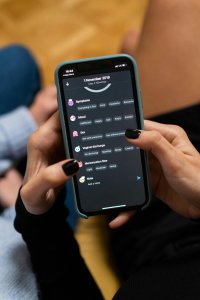
This means building content modules grounded in established therapeutic modalities. CBT-based thought restructuring exercises help users identify and challenge negative thinking patterns. DBT-informed distress tolerance skills provide practical tools for managing intense emotions. Mindfulness and meditation protocols offer guided practices for stress reduction and emotional regulation. Behavioral activation exercises help users combat depression by scheduling and tracking meaningful activities.
Each module should be developed in collaboration with licensed mental health professionals and, where possible, validated through clinical research. As research from the National Center for Biotechnology Information has demonstrated, the most effective mental health apps are those that faithfully implement therapeutic principles rather than loosely adapting them.
Crisis Detection and Safety Protocols
This is the feature that can literally save lives—and the one that carries the most risk if implemented poorly. Every mental health app must have robust crisis detection capabilities that can identify when a user may be experiencing a mental health emergency, including suicidal ideation, self-harm, or psychotic episodes.
Effective crisis detection combines multiple signals: keyword analysis of user inputs, sudden shifts in mood tracking data, changes in app usage patterns, and explicit user disclosures. When a potential crisis is detected, the app must immediately provide crisis resources (such as the 988 Suicide and Crisis Lifeline), facilitate warm handoffs to human professionals, and—depending on the app’s clinical positioning—trigger provider notifications.
The FDA’s Digital Health Advisory Committee specifically emphasized the importance of these mechanisms for AI-enabled mental health tools, noting that generative AI devices may encounter high-acuity situations without human supervision. Building reliable crisis protocols isn’t just a feature requirement—it’s an ethical imperative and, increasingly, a regulatory expectation.
Telehealth Integration and Provider Connectivity
The days of mental health apps operating in isolation from the broader healthcare ecosystem are over. Users increasingly expect their app-based mental health tools to connect with their broader care team, and providers want visibility into the data their patients are generating between sessions.
This means building secure telehealth capabilities—video consultations, asynchronous messaging, and provider dashboards—into your app architecture. It also means investing in interoperability, particularly through FHIR APIs, so that mental health data can flow securely between your app and electronic health record systems. For businesses already engaged in healthcare mobile app development, this integration requirement should feel familiar—but the sensitivity of mental health data adds layers of complexity that demand extra care.
The hybrid care model—combining AI-driven self-help tools with on-demand access to licensed professionals—has emerged as the gold standard in 2026. Apps like Wysa have demonstrated this approach effectively, offering AI chatbot interactions alongside optional text-based sessions with human coaches. For your app to be competitive, it needs to support this continuum of care.
Personalization and Adaptive Content Delivery
Mental health is deeply personal, and cookie-cutter approaches don’t work. Your app needs to adapt its content, tone, and intervention strategies based on each user’s unique profile, preferences, history, and real-time emotional state.
Machine learning algorithms enable this personalization at scale. By analyzing patterns in user behavior, mood data, engagement metrics, and therapeutic outcomes, your app can dynamically adjust which exercises it recommends, when it sends check-in prompts, and how it frames its conversational responses. A user experiencing acute anxiety needs different support than someone managing chronic mild depression, and your app should be smart enough to recognize and respond to that difference.
Personalization also extends to cultural competency. Mental health experiences and treatment preferences vary significantly across demographic groups, and apps that fail to account for cultural context risk alienating large segments of their potential user base.
Gamification and Engagement Mechanics
User retention is one of the biggest challenges in mental health app development. Research consistently shows that most users abandon mental health apps within the first few weeks. Gamification strategies—when implemented thoughtfully—can significantly improve engagement and long-term adherence.
This doesn’t mean turning therapy into a game. It means incorporating achievement systems (streaks, milestones, progress badges), social support features (anonymous peer communities, accountability partners), and reward mechanisms that reinforce healthy habits without trivializing the therapeutic process. The key is designing gamification elements that align with clinical goals rather than competing with them.
Journaling and Reflective Writing Tools
Therapeutic journaling is one of the most evidence-supported self-help interventions, and a well-designed digital journal can enhance the practice significantly. Features should include structured prompts based on therapeutic frameworks, free-form writing capabilities, sentiment analysis that tracks emotional patterns across entries, and the ability to share relevant entries with providers.
Privacy is paramount here—journal entries contain some of the most sensitive data in your entire app, and users need absolute confidence that their private thoughts are encrypted, secure, and never shared without explicit consent.
Medication Tracking and Adherence Support
For users managing mental health conditions with medication, tracking tools that monitor dosing schedules, side effects, and the correlation between medication adherence and mood patterns provide significant clinical value. Integration with pharmacy systems and provider EHRs can further enhance this feature by enabling prescription verification and refill management.
Offline Functionality and Accessibility
Mental health crises don’t wait for a Wi-Fi connection. Your app needs to function meaningfully offline, providing access to crisis resources, previously downloaded therapeutic content, and core mood tracking features even when connectivity is unavailable. Accessibility is equally critical—your app must comply with WCAG guidelines and support users with visual, auditory, motor, and cognitive disabilities. Building with strong UX/UI design principles from the start ensures your app serves the broadest possible population.
The Compliance Landscape: Navigating the Regulatory Maze
If the features section told you what to build, this section tells you how to build it without ending up on the wrong side of a regulatory enforcement action. Compliance in the mental health app space isn’t a single framework—it’s an overlapping web of federal, state, and international regulations that must be addressed holistically from the earliest stages of development.
HIPAA: The Foundation of Healthcare Data Protection
The Health Insurance Portability and Accountability Act remains the bedrock of healthcare data privacy in the United States. If your mental health app collects, stores, processes, or transmits protected health information (PHI)—which includes any individually identifiable health data such as names, diagnoses, medication lists, therapy notes, or even mood tracking data linked to an identifiable individual—you must comply with HIPAA.

HIPAA’s requirements fall into three categories of safeguards.
Administrative safeguards include conducting comprehensive security risk analyses, implementing workforce security policies, establishing security awareness training programs, and maintaining documented authorization protocols for who can access what data and under what circumstances.
Physical safeguards address facility access controls, workstation security, and device management—relevant for any team member who handles PHI through mobile devices or remote work environments.
Technical safeguards are where the rubber meets the road for app developers. These include implementing access controls with unique user identification, automatic logoff, and role-based permissions. They require encryption of all PHI both in transit and at rest using industry-standard protocols like AES-256 for stored data and TLS 1.3 for data transmission. They mandate comprehensive audit logging that tracks who accessed what patient data, when, and from where. And they require integrity controls that protect PHI from improper alteration or destruction.
The breach notification rule adds another layer: if your app experiences a data breach affecting more than 500 individuals, you must notify the Department of Health and Human Services within 60 days. Non-compliance penalties range from $100 to $50,000 per violation, with annual maximums reaching into the millions.
And the requirements are getting stricter. The proposed 2026 HIPAA Security Rule update—the most sweeping modernization since the rule’s original introduction—would make previously “addressable” safeguards mandatory. Multi-factor authentication, encryption of all electronic PHI, and significantly more rigorous documentation requirements would apply to organizations of all sizes. For mental health app developers who adopted new technologies rapidly during the telehealth expansion, this means ensuring that every tool in your technology stack meets the new requirements.
Any third-party service provider that handles PHI on your behalf—cloud hosting providers, analytics platforms, customer support tools—must sign a Business Associate Agreement (BAA) that contractually obligates them to protect PHI in accordance with HIPAA standards. Without BAAs in place, you’re exposed to both regulatory penalties and civil liability.
42 CFR Part 2: The Extra Layer for Substance Use Disorder Data
If your mental health app touches substance use disorder (SUD) treatment records in any way, you face an additional set of federal regulations under 42 CFR Part 2. These regulations, administered by the Substance Abuse and Mental Health Services Administration (SAMHSA), historically imposed stricter consent requirements than HIPAA for the disclosure of SUD treatment information.
A final rule issued in February 2024 moved to align Part 2 more closely with HIPAA, with a compliance deadline of February 16, 2026. This alignment simplifies some aspects of managing SUD data but doesn’t eliminate the additional protections entirely. Mental health app developers building for populations that may include individuals with substance use disorders—which, given the high comorbidity rates, means most mental health apps—must architect their consent management and data handling to satisfy both HIPAA and Part 2 requirements.
FDA Oversight: When Your App Becomes a Medical Device
The Food and Drug Administration’s regulatory reach into mental health apps depends on a critical question: does your app diagnose, treat, cure, mitigate, or prevent a disease or condition? If the answer is yes, your app may be classified as a medical device—specifically, as Software as a Medical Device (SaMD)—and subject to FDA oversight.
The regulatory landscape here is evolving rapidly. In January 2026, the FDA issued updated guidance documents on clinical decision support software and general wellness devices, loosening its approach to certain lower-risk digital health tools. FDA Commissioner Marty Makary framed these changes as getting the FDA “out of the way as a regulator” for products that pose minimal risk.
However, for mental health apps that make therapeutic claims—particularly those leveraging generative AI for therapeutic interactions—the regulatory bar remains high. The FDA’s Digital Health Advisory Committee met in November 2025 specifically to address generative AI-enabled digital mental health medical devices, and the committee’s recommendations make clear that higher-risk uses will face greater scrutiny.
Products can pursue FDA authorization through several pathways depending on their risk profile. The De Novo classification pathway applies to novel, low-to-moderate risk devices without a predicate. The 510(k) clearance pathway applies to devices that are substantially equivalent to existing authorized devices. And the Pre-Market Approval (PMA) pathway applies to the highest-risk devices.
It’s worth noting that since Pear Therapeutics’ reSET received FDA clearance as the first computerized therapy device in psychiatry in 2017, the landscape has expanded but remains relatively small. Many 510(k)-cleared mental health devices have relied on equivalence to predicate devices without independent clinical evidence—a regulatory gap that researchers and the FDA alike are working to close.
For businesses developing mental health apps, the strategic implication is clear: if your app is positioned as a wellness tool that supports general mental wellbeing, you can likely avoid FDA oversight. But the moment you start making specific therapeutic claims—”treats anxiety,” “reduces depression symptoms,” “provides cognitive behavioral therapy for insomnia”—you’re stepping into medical device territory and need to plan accordingly.
State-Level Consumer Health Data Laws
The regulatory picture gets even more complex at the state level. A growing number of states have enacted consumer health data protection laws that extend beyond HIPAA’s scope, covering apps and services that may not qualify as “covered entities” under federal law.
Washington State’s My Health My Data Act (MHMDA) broadly regulates “consumer health data,” imposes consent and notice requirements, bans geofencing around health facilities, and provides a private right of action for violations. Most obligations took effect in March 2024. Nevada’s SB 370 imposes similar consent, notice, and security duties for consumer health data and restricts geofencing. Connecticut prohibits geofencing near mental health, reproductive, and sexual health facilities. California’s AB 352 requires segmentation and access limits for sensitive health services data.
For mental health app developers, these laws matter because many mental health apps—particularly those in the wellness and self-care category—operate outside the scope of HIPAA but still collect health-related data that these state laws regulate. Even if your app doesn’t handle PHI in the traditional sense, the mood data, journal entries, and behavioral patterns you collect may fall under state-level consumer health data protections.
GDPR and International Compliance
If your mental health app will serve users in the European Union, the General Data Protection Regulation (GDPR) applies—and it’s arguably more stringent than HIPAA in several key areas. GDPR requires explicit, informed consent for data processing; grants users the right to access, rectify, and delete their personal data; mandates data protection impact assessments for high-risk processing activities; requires appointment of a Data Protection Officer for certain organizations; and imposes fines of up to 4% of annual global revenue for violations.
Mental health data is classified as “special category” data under GDPR, triggering the regulation’s highest level of protection. Research indicates that 73% of users prioritize privacy when selecting mental health applications, making robust compliance not just a regulatory requirement but a market differentiator. For apps operating across both U.S. and EU markets, a hybrid compliance architecture that satisfies both HIPAA and GDPR simultaneously—using techniques like geofenced data processing and granular consent mechanisms—is increasingly the standard approach.
Architecture and Security: Building Compliance into the Foundation
Compliance isn’t something you bolt onto a finished product. It needs to be embedded into your app’s architecture from the first sprint. Here’s how to build a mental health app that meets regulatory requirements by design rather than by retrofit.
Encryption Everywhere
All data must be encrypted both in transit and at rest. For data in transit, TLS 1.3 with Perfect Forward Secrecy is the current standard. For data at rest, AES-256 encryption should be applied to all databases, file storage, and backups. This isn’t optional under HIPAA, and the proposed 2026 Security Rule update would make encryption an explicit mandatory requirement rather than an addressable safeguard.
Zero-Trust Access Architecture
Implement role-based access controls (RBAC) that restrict data access to individuals with a legitimate need. Every access request should be authenticated, authorized, and logged. Multi-factor authentication (MFA) should be required for all user accounts—both patient-facing and provider-facing—and the proposed HIPAA Security Rule update would mandate MFA across the board.
Comprehensive Audit Logging
Your system must maintain detailed, immutable logs of every data access event—who accessed what data, when, from where, and why. These logs serve dual purposes: they’re required for HIPAA compliance, and they’re your primary forensic tool in the event of a security incident.
Cloud Infrastructure Selection
Choose healthcare-certified cloud providers that offer built-in compliance controls. AWS HIPAA-eligible services, Microsoft Azure Government, and Google Cloud Healthcare API all provide infrastructure that’s been specifically designed and certified for healthcare data handling. Ensure your cloud provider will sign a BAA and that you understand exactly which services within their platform are covered.
Data Minimization and Purpose Limitation
Collect only the data you actually need to deliver your app’s features and clinical value. Every additional data point you collect increases your compliance burden and your exposure in the event of a breach. Apply purpose limitation principles—data collected for mood tracking shouldn’t be repurposed for advertising analytics. The FTC’s enforcement action against BetterHelp, which resulted in a $7.8 million fine for sharing sensitive user data with advertisers, is a stark reminder that the consequences of ignoring this principle are real and significant.
Secure Development Lifecycle
Integrate security testing into every phase of development. This means conducting threat modeling during design, performing static and dynamic code analysis during development, executing penetration testing before launch, and maintaining ongoing vulnerability scanning after deployment. Security isn’t a phase of development—it’s a dimension of every phase.
Monetization Strategies That Work Within the Compliance Framework
Building a mental health app that’s both clinically effective and commercially viable requires a monetization strategy that respects the sensitivity of the data involved and the vulnerability of the user base.
Subscription Models
The subscription model dominates the mental health app market, with freemium plans commanding roughly 31% of market share in 2025 while paid plans grow at a faster rate. Offering a robust free tier that delivers genuine value builds user trust and engagement, while premium features—advanced analytics, provider connectivity, personalized intervention plans, unlimited AI interactions—justify the subscription cost.
Enterprise and B2B Contracts
Per-employee contracts with employers, health systems, and insurance payers represent the fastest-growing monetization channel. These contracts remove payment friction for individual users, significantly increase engagement rates, and provide more predictable revenue streams. Approximately 52% of employers now offer digital mental health benefits, and that number is trending upward.
Prescription Digital Therapeutics (PDT)
For apps that achieve FDA clearance, the prescription digital therapeutics pathway enables reimbursement through traditional insurance channels. This is the highest-value monetization path but requires the most significant investment in clinical evidence, regulatory approval, and provider adoption.
Data Monetization: Proceed with Extreme Caution
Anonymized, aggregated data can be valuable for research purposes, but any data monetization strategy must be approached with extraordinary care in the mental health context. Users must provide explicit, informed consent. Anonymization must be rigorous enough to prevent re-identification. And the optics matter—users who feel their mental health data is being commodified will leave, and they should.
Building Your Mental Health App: Strategic Considerations
Before you begin development, there are several strategic decisions that will shape every aspect of your project. Taking the time to prepare before starting your mobile app development project will save you months of rework and potentially millions in compliance remediation.
Assemble a Multidisciplinary Team
Mental health app development requires expertise that spans technology, clinical practice, regulatory compliance, and user experience design. Your team—whether in-house or through a development partner—should include licensed mental health professionals who can validate therapeutic content and inform clinical decision-making, compliance officers or legal counsel with specific healthcare regulatory expertise, security engineers experienced in healthcare data protection, and UX/UI designers who understand the unique needs of users in emotional distress.
Prioritize Clinical Validation
Only a small fraction of commercially available mental health apps have undergone randomized controlled trials demonstrating efficacy. While clinical validation requires significant investment, it’s increasingly table-stakes for enterprise buyers, provider endorsements, and insurance reimbursement. Design your app with clinical measurement built in from the start—validated outcome measures, control conditions, and the data infrastructure to support future clinical studies.
Plan for Platform Considerations
The Android segment dominates the mental health app market with approximately 50% of global market share in 2026, largely due to lower subscription costs and wider global smartphone penetration. However, iOS users tend to demonstrate higher spending capacity and stronger engagement with premium features. Most successful mental health apps target both platforms, but your development strategy should account for the different design guidelines, security models, and user expectations of each ecosystem.
Invest in Interoperability
The healthcare industry is moving decisively toward interoperability through FHIR APIs, and mental health apps are no exception. Building FHIR-compatible data exchange capabilities into your architecture ensures your app can integrate with EHR systems, participate in care coordination workflows, and meet the regulatory requirements that increasingly mandate standardized data exchange. For businesses planning healthcare apps, our complete guide to healthcare mobile app development provides additional depth on interoperability strategy.
Choose Your Development Partner Wisely
The development partner you select will shape your entire compliance journey. Ask potential partners about specific HIPAA implementations they’ve completed. Request references from mental health or healthcare organizations they’ve served. Verify their experience with FDA regulatory pathways if your app will make therapeutic claims. And don’t let cost drive the decision—choosing partners based on lowest bids often results in expensive rework when compliance issues emerge during later development stages.
Dogtown Media has extensive experience developing healthcare apps for medical organizations, including mental health solutions that integrate mood tracking, guided therapy, triaged crisis access, and provider dashboards—all built in collaboration with licensed providers and clinical researchers, with security and regulatory strategy embedded from the first sprint.
The Future of Mental Health App Development: What’s Coming Next
The mental health app landscape is evolving rapidly, and businesses building in this space need to think beyond today’s requirements to position themselves for what’s coming.
Passive Biometric Sensing
The integration of wearable sensors and smartphone capabilities for passive, real-time emotional state detection represents the next frontier. Heart rate variability, sleep patterns, physical activity levels, voice tone analysis, and even typing patterns can provide objective data points that complement self-reported mood assessments. This creates opportunities for context-aware interventions that reach users before they recognize they need help—but it also raises significant privacy questions that developers must address proactively.
AI Model Governance and Continuous Learning
For apps using AI-powered therapeutic tools, the challenge of model governance—ensuring that AI systems maintain their safety and efficacy as they learn from user interactions—is becoming a primary regulatory concern. The FDA’s emphasis on predetermined change control plans for AI-enabled devices signals that developers will need to define clear boundaries for how their models can evolve, implement drift detection and rollback capabilities, and maintain ongoing performance monitoring across diverse populations.
Reimbursement Integration
The shift from direct-to-consumer payment models to employer and payer funding is reshaping the mental health app market. As reimbursement pathways expand—through prescription digital therapeutics codes, employer contracts, and value-based care arrangements—the apps that can demonstrate measurable clinical outcomes will capture disproportionate market share.
Regulatory Convergence and Complexity
The regulatory environment will continue to grow more complex before it simplifies. New state-level consumer health data laws, evolving FDA guidance on AI-enabled devices, international privacy frameworks, and the proposed HIPAA Security Rule modernization all demand that compliance be treated as an ongoing operational capability rather than a one-time development milestone.
Taking the Next Step
Mental health mobile app development in 2026 sits at the intersection of extraordinary opportunity and extraordinary responsibility. The market is large and growing. The clinical need is urgent and global. And the technology available to build effective, safe, and compliant solutions has never been more capable.
But getting it right requires more than good intentions. It requires clinical rigor in your feature design, compliance-first thinking in your architecture, and a development partner who understands both the technical and regulatory complexity of the healthcare landscape.
If you’re ready to explore how a mental health mobile app can serve your business goals and the patients who need it most, contact Dogtown Media for a free consultation. Our team brings full-stack expertise in healthcare app development, regulatory compliance, and clinical collaboration—everything you need to build a mental health app that makes a real difference.
Frequently Asked Questions
What is the difference between a mental health wellness app and a digital therapeutic, and why does the distinction matter?
A wellness app focuses on general mental wellbeing through features like meditation, stress management, and mood tracking without making specific therapeutic claims. A digital therapeutic (DTx) is a clinically validated, often FDA-cleared software product that delivers evidence-based interventions to treat a specific medical condition—such as CBT for insomnia or substance use disorders. The distinction matters because digital therapeutics face significantly higher regulatory requirements, including potential FDA oversight and the need for clinical trial evidence, but they also unlock reimbursement pathways through insurance that wellness apps typically cannot access. Your app’s positioning determines your regulatory obligations, development costs, and go-to-market strategy.
Does my mental health app need to be HIPAA compliant?
If your app collects, stores, or transmits protected health information on behalf of a covered entity (such as a healthcare provider, health plan, or healthcare clearinghouse), or if you function as a business associate of a covered entity, then yes—HIPAA compliance is mandatory. However, many direct-to-consumer mental health apps that operate independently of the traditional healthcare system may not fall under HIPAA’s direct scope. That said, state-level consumer health data laws (like Washington’s My Health My Data Act), FTC enforcement authority, and GDPR (if you serve EU users) may still impose significant privacy and security obligations. The safest approach is to build to HIPAA standards regardless, because it protects your users, builds trust, and positions your app for enterprise and healthcare partnerships that will require compliance.
How much does it cost to develop a HIPAA-compliant mental health app?
Costs vary widely based on feature complexity, platform targets, and compliance requirements. A basic mental health app with mood tracking and content delivery might range from $75,000 to $150,000. A more comprehensive platform with AI-powered interventions, telehealth integration, provider dashboards, and full HIPAA compliance typically falls in the $200,000 to $500,000+ range. Digital therapeutics pursuing FDA clearance can cost significantly more when you factor in clinical trials and regulatory submissions. The most important cost consideration is this: building compliance into your architecture from the start is dramatically less expensive than retrofitting it after launch.
What role does AI play in mental health apps, and what are the risks?
AI powers many of the most valuable features in modern mental health apps—conversational therapy chatbots, mood pattern recognition, personalized content recommendations, and crisis detection systems. The benefits are significant: AI enables 24/7 access to support, scales therapeutic interventions to millions of users, and can identify patterns that humans might miss. The risks are equally significant: AI can produce harmful or inaccurate therapeutic advice, may not reliably detect crisis situations, can create inappropriate emotional attachments, and raises questions about clinical liability. The FDA has not yet authorized any generative AI-based device for mental health use, and the agency’s November 2025 advisory committee meeting made clear that rigorous safety protocols, human oversight mechanisms, and ongoing performance monitoring will be expected for any AI-enabled mental health tool seeking regulatory authorization.
How long does it typically take to develop and launch a mental health app?
A minimum viable product (MVP) with core features—mood tracking, basic therapeutic content, and user authentication—can typically be developed in three to six months. A fully featured platform with AI capabilities, telehealth integration, provider dashboards, and comprehensive compliance infrastructure usually takes nine to eighteen months. Apps pursuing FDA clearance should plan for additional time for clinical trials and regulatory review. Regardless of timeline, the development process should begin with regulatory and compliance planning before any code is written—an approach that ultimately accelerates the path to launch by preventing costly rework